Veppankulam, Ramanathapuram district
Twelve acres nobody wanted
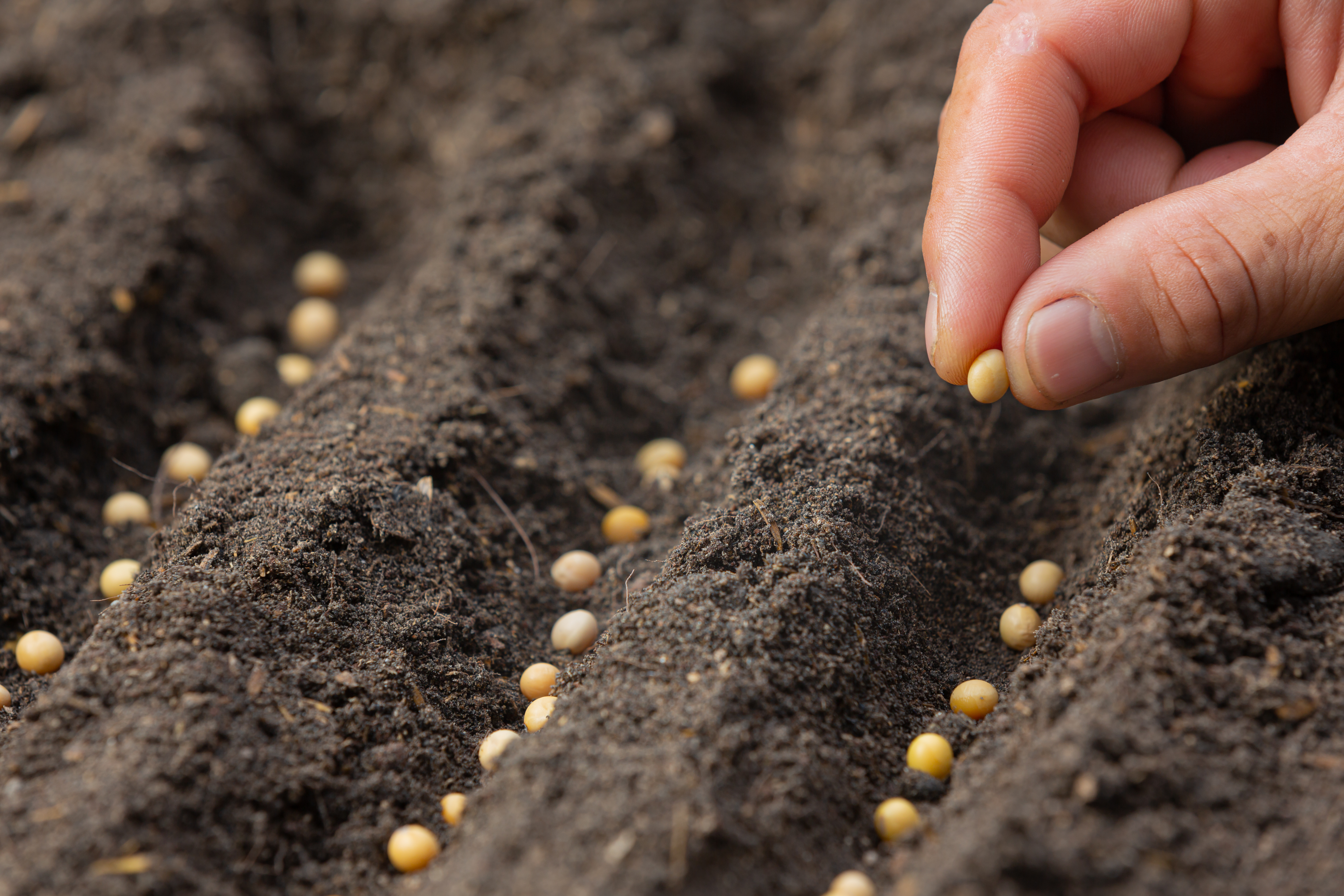
Saline, abandoned farmland reclaimed over three seasons, now growing millets, pulses, and the district's first farmer-owned seed plot.
Read the story
A 400-year-old village tank, silted to a puddle, now irrigates 8 acres again, and the village's wells haven't run dry since.
When our team first surveyed the Kadaneri tank in 2022, it held water for barely six weeks a year. Four centuries of silt had reduced a 16-acre waterbody to a shallow depression, and the ayacut farmland below it had shifted to a single precarious rain-fed crop.
“For twenty years we watched the tank die and our sons leave for the city. Now the tank is full, and this season two families came back.”
Over two working seasons we de-silted 24,000 cubic metres, the silt itself going straight onto surrounding farms as a soil amendment, rebuilt the feeder channels choked by decades of encroachment and neglect, and strengthened the bund with vetiver hedging planted by the village's women's groups.
The village formed a water committee that now manages sluice timings and collects a modest water fee for maintenance. In the two monsoons since, the tank has filled completely both years. Wells within the ayacut show a 4.2-metre average rise, and farmers have returned to a second crop for the first time in a generation.
Site-level monitoring data for this project is available on our Impact page
This project started with one enquiry. Yours can too.